

Table of Contents
- Why Artisanal Religious Decor Belongs in Your Home
- Handmade vs. Mass-Produced: What the Difference Really Costs You
- Craftsmanship, Natural Materials, and the Quality You Can Feel
- How Handmade Christian Home Decor Supports Artisans and Tradition
- Holy Land Religious Artifacts: Authenticity, Symbolism, and Care
- Styling Catholic Home Decor Across Different Rooms and Tastes
- A Practical Buying Checklist for Artisanal Religious Decor
- Frequently Asked Questions
Last Updated: October 22, 2026
Why Artisanal Religious Decor Belongs in Your Home
Walk into a home where faith is lived daily, and you notice a carved wooden icon catching morning light, a small crucifix above a doorway, a statue that has watched three generations of prayers.

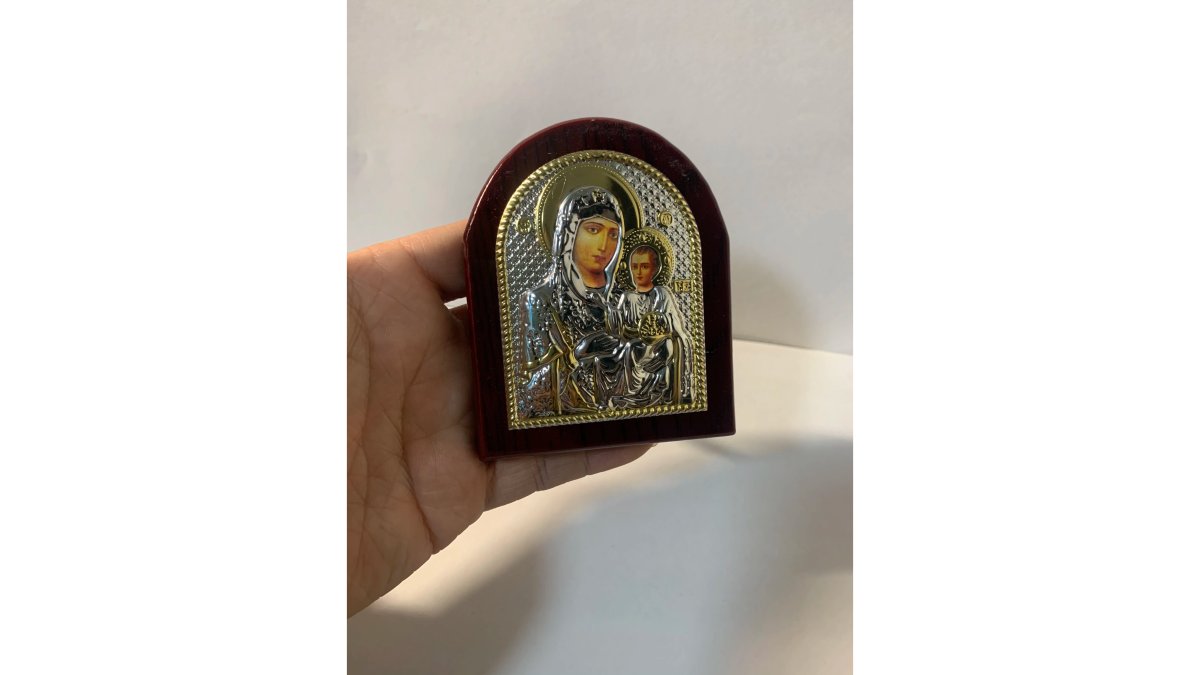
At Yolia, customers ask again and again: does it really matter who made the piece? It does, for practical reasons.
The core argument is simple: artisanal religious decor is a long-term purchase. Buy it once, care for it properly, and it outlasts three cheap replacements.
Handmade vs. Mass-Produced: What the Difference Really Costs You
The real difference between handmade and mass-produced religious decor comes down to three things: material quality, uniqueness, and longevity. Handcrafted items use solid wood, real gold or silver leaf, and hand-painted finishes. Mass-produced pieces rely on resin, printed vinyl, and particleboard.
Here is how the two compare in practice:
| Factor | Artisanal | Mass-Produced |
|---|---|---|
| Material | Solid wood, real leaf, natural finishes | Resin, printed decals, composite board |
| Individuality | Each piece varies slightly | Identical units |
| Repairability | Often refinishable | Usually replaced, not repaired |
| Longevity | Decades with care | A few years at best |
| Story | Maker, region, technique | Factory line, no traceable origin |
A common mistake is comparing only the upfront price. A handcrafted wooden cross at Yolia costs $34.38, and a comparable mass-market piece might cost less today.

Craftsmanship, Natural Materials, and the Quality You Can Feel
Craftsmanship shows up in details you can inspect in under a minute. Edges: hand-sanded wood feels smooth, while factory edges feel sharp or plastic-sealed.
Natural materials matter for a practical reason. Solid wood expands and contracts slightly with humidity, which is why handcrafted pieces carry variations in grain and color.
The Saint Nicholas Pointy Wooden Cross by Museum Icons is a good example of what to look for: a multi-layered wood design, handcrafted in the USA, with wall hardware already attached and a certificate of authenticity.
How Handmade Christian Home Decor Supports Artisans and Tradition
Buying handmade Christian home decor keeps traditional skills alive. Icon painting, wood carving, gold leafing, and metalwork are trades passed from master to apprentice, and they survive only when buyers pay for the labor behind them.
The cultural heritage argument is not abstract. Many techniques used in religious art, from Byzantine icon writing to old-world gold and silver leaf application, take years to learn.
At Yolia, this is why we curate pieces from studios that document their methods and stand behind their work. The Holy Family Wooden Gold Plated Religious Christian Sacred Icon, for instance, is handcrafted with gold plating, comes with wall mounting hardware, and includes a certificate of authenticity.
Holy Land Religious Artifacts: Authenticity, Symbolism, and Care
Holy Land religious artifacts carry meaning because of where and how they were made, so authenticity is the first thing to verify.
Verifying authenticity in five steps:
Exquisite Orthodox Wooden Icon of Virgin Mary - Perfect for Home Decoration →
- Request a certificate of authenticity in writing before you order. A legitimate certificate names the maker or studio, the region of origin, the materials used, and the production method. If a seller cannot produce this before purchase, treat the piece as undocumented.
- Ask for the workshop name and location. A real studio has an address and a reputation. "Made in the Holy Land" alone is not provenance; ask which city and which workshop.
- Check material claims against the price. Solid olive wood, hand-carved stone, and real silver or gold plating carry labor and material costs that a suspiciously low price cannot cover. If the price is below what the raw materials would cost, the materials are probably not what the listing says.
- Look for production-method language. Phrases like "hand-carved," "hand-painted," and "hand-finished" describe labor. Phrases like "hand-finished look," "artisan-style," or "inspired by" often describe a factory piece with a decorative surface.
- Confirm the return policy. A seller confident in provenance will accept returns. A seller who will not is telling you something.
Symbolism deserves the same scrutiny. A crucifix, an icon of the Virgin Mary, or a depiction of Saint Michael Archangel each carries specific theological meaning and a recognized visual tradition.

Care is straightforward but easy to get wrong. The failure modes are predictable:
- Wood: Keep wooden icons and crosses indoors and out of direct sunlight. Wood expands and contracts with humidity, so avoid bathrooms, kitchens, and anywhere near a radiator or stove. A sudden move from a humid room to a dry one can cause cracking.
- Gold leaf and plating: Dust with a soft, dry cloth only. Never use wet sprays, ammonia-based cleaners, or abrasive pads on gold leaf or painted surfaces. Skin oils dull gold plating over time, so handle pieces by the edges when rehanging.
- Painted and carved surfaces: Avoid direct sunlight, which fades pigments, and keep pieces away from heat sources that dry and crack paint.
- Stone and ceramic: These are heavier and more brittle. Use proper wall anchors rated for the weight, and check hardware annually.
- Humidity: A dehumidifier in damp climates protects wood and metal alike. In dry climates, a room humidifier near wooden pieces reduces cracking risk.
Installation and safety for heavier pieces: A wall-hanging icon or cross should use the attached hardware plus a wall anchor rated for at least the piece's weight.
Styling Catholic Home Decor Across Different Rooms and Tastes
Catholic home decor works best when it anchors a space instead of crowding it. The goal is a room where a sacred piece reads as intentional, not as one more object on a shelf. Match the piece to the room's function, the home's design language, and the scale of the wall.
Room-by-room guidance:
- Entryway: A small cross or crucifix above the door or on a narrow console offers a moment of reflection as you come and go. Keep surrounding decor minimal so the piece is the first thing the eye finds.
- Living room: Choose a piece that fits the room's palette and scale. A larger icon or gold-plated piece can anchor a mantel or feature wall. Warm wood tones suit traditional interiors; gold and silver accents suit formal settings; simpler carved forms suit modern rooms.
- Bedroom: A smaller icon or statue on a bedside table or shelf supports quiet prayer and reflection. Avoid oversized pieces; a bedroom reads as restful when the sacred piece is intimate.
- Dedicated prayer corner: This is where a larger icon or statue earns its place. A prayer corner benefits from a single strong image, a candle, and a small shelf or table. Keep it uncluttered so it functions as a place of devotion rather than display.
- Hallway or stairwell: A 12 x 9 cross or vertical icon commands a hallway wall. Measure first and leave breathing room on either side; a piece that fills the wall edge-to-edge feels oppressive.
Styling across design preferences:
- Traditional interiors: Warm wood tones, carved detail, and gold or silver leaf fit naturally. Pair with wood furniture and warm lighting.
- Modern and minimalist interiors: Choose simpler carved forms, clean lines, and a single material. A plain wooden cross or a small icon with a restrained palette integrates without competing with the room.
- Small spaces and apartments: Scale down rather than crowd. A 6 x 4 icon on a shelf, a small cross above a desk, or a single piece in a wall niche works better than a large piece in a small room.
- Rental homes: Choose pieces with attached hardware that hang from a single anchor, and avoid adhesives on painted walls. A freestanding icon or statue on a shelf requires no wall damage.
- Mixed-faith or spiritual-but-not-religious homes: A carved wooden piece with subtle symbolism fits a mindfulness corner without feeling churchy. Choose imagery that resonates personally, and let the craftsmanship carry the meaning.
Scale and placement rules that prevent mistakes:
- Measure the wall before you order, and leave at least a hand's width of breathing room on either side of the piece.
- Hang the center of the piece at eye level or slightly above; a piece hung too high reads as decoration rather than devotion.
- Group no more than three sacred pieces in one sightline. More than that competes for attention.
- Match the piece's visual weight to the furniture below it; a heavy icon over a delicate console looks unstable.
A Practical Buying Checklist for Artisanal Religious Decor
Use this checklist to decide why buy artisanal religious home decor before you commit to any piece. It takes five minutes and prevents most disappointing purchases.
- Certificate of authenticity included? Ask for it in writing before ordering.
- Maker or studio named? A real workshop has a name and a location.
- Materials listed specifically? "Solid wood" and "gold plated" beat "premium materials."
- Handmade production confirmed? Ask directly whether the piece is handcrafted or machine-replicated.
- Religious imagery accurate to its tradition? Check iconography against the labeled tradition.
- Wall hardware attached? Pre-attached hardware signals a maker who thought about installation.
- Dimensions stated? Measure your intended space first.
- Return policy clear? Confirm what happens if the piece does not feel premium in person.
- Shipping timeline confirmed? Critical for sacrament gifts with fixed dates.
On price and value, be direct: you are paying for labor hours, material quality, and provenance. A handcrafted piece priced at $27.47 to $36.64 sits in a reasonable range for genuine artisan work. If a "handmade" piece costs less than a factory copy, ask why.
Frequently Asked Questions
What makes religious home decor artisanal?
Artisanal religious decor is made by hand rather than by machine, which means each piece carries small variations in wood grain, brushwork, or finish. Look for handcrafted wooden icons, hand-painted crosses, and pieces that come with a certificate of authenticity. The artisan's time and skill are visible in details like layered wood designs, gold or silver leaf accents, and carefully finished edges. These qualities separate artisanal religious decor from generic, mass-produced items.
How can I tell whether a religious decor item is genuinely handmade?
Ask about the maker and the process. Genuine handmade Christian home decor often includes a certificate of authenticity, notes on where it was made, and natural variations between pieces. Inspect close-up photos for brushstrokes, wood grain, and layered construction. A seller who can explain the materials, the workshop, and the finishing method is usually a reliable source. If the listing is vague or shows identical stock photos for every item, treat it with caution.
What should I look for when buying Holy Land religious artifacts?
Start with documentation: certificates of authenticity, clear material descriptions, and details about the workshop or region of origin. Check the symbolism against your tradition, especially for icons of Mary, the Holy Family, or archangels. Confirm size, mounting hardware, and indoor suitability before ordering. For sacrament gifts like Baptisms or First Communions, verify stock and shipping times. A thoughtful Holy Land religious artifact should feel personal, well made, and easy to display with reverence.
Why choose handmade religious decor over mass-produced pieces?
Handmade pieces tend to last longer, carry individual character, and support artisans and traditional skills. A handcrafted wooden cross or gold-plated icon often becomes a family keepsake rather than a seasonal decoration. Mass-produced items can look uniform and wear faster. The price difference usually reflects materials, labor, and finishing. When you buy artisanal religious decor, you are paying for craftsmanship, cultural heritage, and a piece that can be passed down.
Buying artisanal religious home decor is a decision about what you want your home to hold for the next twenty years. Mass-produced pieces fill wall space; handcrafted pieces carry faith, craft, and family memory forward. Yolia curates faith-inspired icons, crosses, and keepsakes with documented craftsmanship, fast worldwide shipping, and premium quality at prices that respect your budget. Browse the collection and choose a piece your family will still treasure at the next generation's Baptism.